
As part of my consulting work, I regularly meet with animal shelter staff who are struggling to make decisions about policies and policy change. About a month ago, I met with the staff of a large, open admission shelter that does not permit adopters to bring their owned dogs to do meet and greets with the dog they’re considering adopting. This week, I met with another staff team at a different open-admission animal shelter who has historically required dog-to-dog introductions as part of their adoption process. In both cases, the shelters were in the process of changing or considering changing these rules.
Even though these two organizations had opposite rules, both groups made virtually the same arguments about why changing their policy was potentially catastrophic. In both groups, public safety, dog safety, and adoption numbers were cited as justification for sticking the existing policy. In both cases, the staff struggled to accept that an all-or-nothing approach, regardless of which approach, could have negative consequences.
We know rigid policies are a problem but we do them anyway.
In a 2019 IAABC Foundation journal article called Grey Zone Dogs, Kayla Fratt argues that decisions about which dogs are adoptable and unadoptable are not always clear cut. She asserts that it’s important to consider context and to consider there may be good arguments on both sides depending on the subjective opinion of who is making the determination. The same is true for animal shelter policies.
It’s easy enough to make arguments wholly in favor of always or never doing a particular thing, but when we take this all-or-nothing approach, we miss out on opportunities to find the best outcome for every person and animal. In fact, I would argue that every animal shelter policy and procedure should include space to consider each situation individually, rather than applying blanket rules.
With historically high turnover in animal shelters and a relatively inexperienced workforce, it’s sometimes tempting to opt for blanket rules over the time and investment of training staff to think critically and take an individualized approach. However, research on conversation-based adoption processes has found that adopters provide similar high-quality care and are just as likely to be bonded to their pets as those who adopted through policy-based processes.
To be clear, some standardization serves real purposes. Clear policies can reduce liability exposure, simplify training for new staff, and provide consistency when supervisors aren’t available to make judgment calls. The goal isn’t to eliminate all rules. It’s building in flexibility where the evidence supports it and where rigid enforcement creates barriers without corresponding benefits.
It’s important that we continue to invest in initial and ongoing staff training in great customer service, individualized counseling, safe animal handling, and finding solutions that lead to outcomes.
What can we do about it?
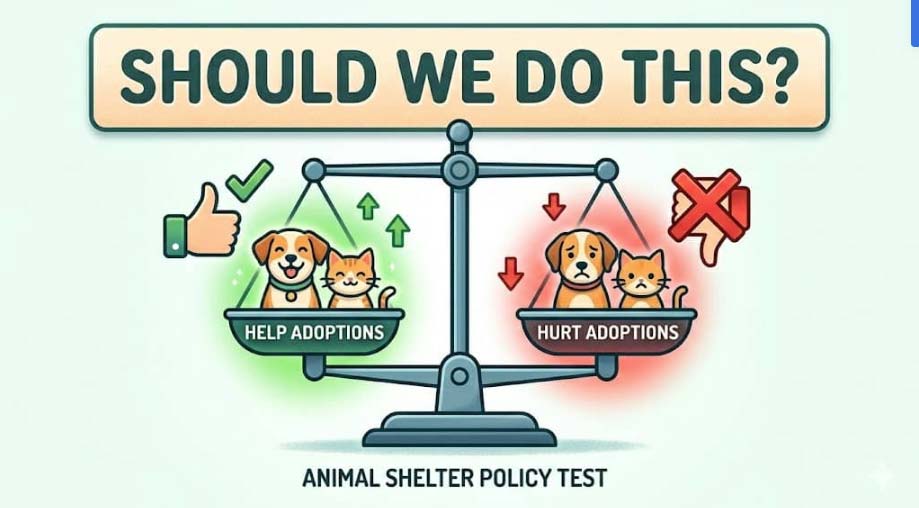
When evaluating any policy, ask what problem it’s trying to solve, whether there’s evidence it works, and what the costs of mandatory enforcement are versus offering it as an option.Here are some of the most common ones:
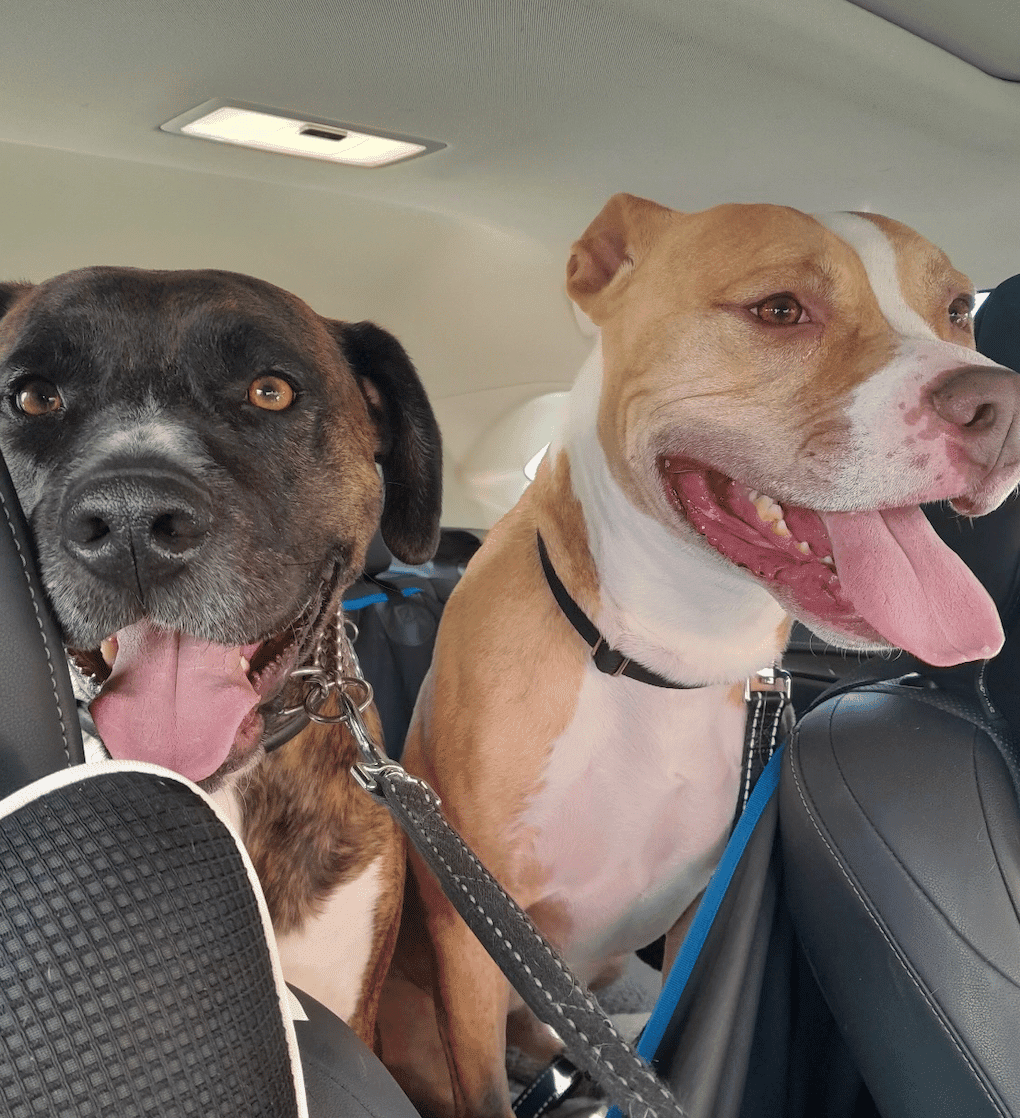
Dog-to-dog introductions. If dog adopters want to have their owned dog(s) meet the dog they’re considering adopting, it’s good customer service to offer this option. The evidence does not clearly support requiring adopters to bring their owned dog(s) to the shelter for a meet and greet. If adopters do not want to do an introduction at the shelter, provide counseling and even demonstrate a safe introduction at home. Explain the dos and don’ts and be available if they have questions or run into challenges at home.

Foster orientations. What does someone need to know to foster a pet? If you sit down and make a list of the ‘must know’ items vs. the things that are helpful, you’ll find that the critical information for fosters can usually be conveyed in five to 15 minutes. Instead of requiring an orientation, consider offering an optional online orientation. If you are committed to offering mandatory foster orientation, don’t make it a barrier to getting started. Let people complete the training within the first 90 days.

Volunteer orientations. Don’t make people wait to attend an orientation to start volunteering. You can offer daily drop-in orientations or even better, set up new volunteers with a trained volunteer mentor who can walk them through their first volunteer sessions. Create a list of FUN jobs volunteers can do before they’ve completed animal handling safety training. These can include walking easy dogs, providing enrichment to dogs and cats, assisting with small pets, and greeting customers. If you do require an orientation, offer it remotely or at least weekly, including evenings and weekends.

Holds on medical or underage pets. If you have animals undergoing medical treatment, recovering from an injury, or who are being medicated, you can offer to hold them to complete the treatment, but you certainly should not require them to remain in the shelter to complete a course of medication or to have an injury site checked by a vet. Foster caregivers are often willing and eager to bring pets back for regular checks and they’re as capable as anyone of giving medications. Send pets home who need the extra TLC – this can strengthen the bond between the animal and its caregiver.
Appointments. Some shelters offer adoption appointments if staffing levels permit. For some adopters, this is a valuable time saver and they’ll take you up on it. For other adopters, the fun is in the spontaneous choice to come and meet adoptable pets and we should welcome those visitors to drop in and look around whenever we are open.

Escorted visits. Welcome visitors, offer self-guided viewing of animals, and let them know how to get help when they’re ready. If staffing permits, you can offer to escort them but don’t make it mandatory.
Microchip registration before leaving the building. Offer to help adopters register their microchips, but don’t make the adoption process take longer by mandating they register the chip while they’re standing in front of you.
Spay/neuter before foster placement. If a foster caregiver wants to foster a pet that is awaiting spay or neuter, invite them to take the pet home with a scheduled surgery date.

Completed adoption application or pre-screening before people can meet pets. Offer the option for visitors to complete an adoption questionnaire online before they visit or when they arrive, but don’t require this. It’s a turn-off to many adopters who are not sure they want to adopt.
The bottom line
To speed up outcomes, reduce length of stay, and save more lives, we should ask ourselves, what is something we can offer vs. what should be an absolute requirement. Chances are, you’ll find several restrictive policies that are impeding the flow of animals through your system. By providing support and being available, we can let go of absolute rules in favor of a common-sense, individualized approach.
Kristen
As part of my consulting work, I regularly meet with animal shelter staff who are struggling to make decisions about policies and policy change. About a month ago, I met with the staff of a large, open admission shelter that does not permit adopters to bring their owned dogs to do meet and greets with the dog they’re considering adopting. This week, I met with another staff team at a different open-admission animal shelter who has historically required dog-to-dog introductions as part of their adoption process. In both cases, the shelters were in the process of changing or considering changing these rules.
Even though these two organizations had opposite rules, both groups made virtually the same arguments about why changing their policy was potentially catastrophic. In both groups, public safety, dog safety, and adoption numbers were cited as justification for sticking the existing policy. In both cases, the staff struggled to accept that an all-or-nothing approach, regardless of which approach, could have negative consequences.
We know rigid policies are a problem but we do them anyway.
In a 2019 IAABC Foundation journal article called Grey Zone Dogs, Kayla Fratt argues that decisions about which dogs are adoptable and unadoptable are not always clear cut. She asserts that it’s important to consider context and to consider there may be good arguments on both sides depending on the subjective opinion of who is making the determination. The same is true for animal shelter policies.
It’s easy enough to make arguments wholly in favor of always or never doing a particular thing, but when we take this all-or-nothing approach, we miss out on opportunities to find the best outcome for every person and animal. In fact, I would argue that every animal shelter policy and procedure should include space to consider each situation individually, rather than applying blanket rules.
With historically high turnover in animal shelters and a relatively inexperienced workforce, it’s sometimes tempting to opt for blanket rules over the time and investment of training staff to think critically and take an individualized approach. However, research on conversation-based adoption processes has found that adopters provide similar high-quality care and are just as likely to be bonded to their pets as those who adopted through policy-based processes.
To be clear, some standardization serves real purposes. Clear policies can reduce liability exposure, simplify training for new staff, and provide consistency when supervisors aren’t available to make judgment calls. The goal isn’t to eliminate all rules. It’s building in flexibility where the evidence supports it and where rigid enforcement creates barriers without corresponding benefits.
It’s important that we continue to invest in initial and ongoing staff training in great customer service, individualized counseling, safe animal handling, and finding solutions that lead to outcomes.
What can we do about it?
When evaluating any policy, ask what problem it’s trying to solve, whether there’s evidence it works, and what the costs of mandatory enforcement are versus offering it as an option.Here are some of the most common ones:
Dog-to-dog introductions. If dog adopters want to have their owned dog(s) meet the dog they’re considering adopting, it’s good customer service to offer this option. The evidence does not clearly support requiring adopters to bring their owned dog(s) to the shelter for a meet and greet. If adopters do not want to do an introduction at the shelter, provide counseling and even demonstrate a safe introduction at home. Explain the dos and don’ts and be available if they have questions or run into challenges at home.
Foster orientations. What does someone need to know to foster a pet? If you sit down and make a list of the ‘must know’ items vs. the things that are helpful, you’ll find that the critical information for fosters can usually be conveyed in five to 15 minutes. Instead of requiring an orientation, consider offering an optional online orientation. If you are committed to offering mandatory foster orientation, don’t make it a barrier to getting started. Let people complete the training within the first 90 days.
Volunteer orientations. Don’t make people wait to attend an orientation to start volunteering. You can offer daily drop-in orientations or even better, set up new volunteers with a trained volunteer mentor who can walk them through their first volunteer sessions. Create a list of FUN jobs volunteers can do before they’ve completed animal handling safety training. These can include walking easy dogs, providing enrichment to dogs and cats, assisting with small pets, and greeting customers. If you do require an orientation, offer it remotely or at least weekly, including evenings and weekends.
Holds on medical or underage pets. If you have animals undergoing medical treatment, recovering from an injury, or who are being medicated, you can offer to hold them to complete the treatment, but you certainly should not require them to remain in the shelter to complete a course of medication or to have an injury site checked by a vet. Foster caregivers are often willing and eager to bring pets back for regular checks and they’re as capable as anyone of giving medications. Send pets home who need the extra TLC – this can strengthen the bond between the animal and its caregiver.
Appointments. Some shelters offer adoption appointments if staffing levels permit. For some adopters, this is a valuable time saver and they’ll take you up on it. For other adopters, the fun is in the spontaneous choice to come and meet adoptable pets and we should welcome those visitors to drop in and look around whenever we are open.
Escorted visits. Welcome visitors, offer self-guided viewing of animals, and let them know how to get help when they’re ready. If staffing permits, you can offer to escort them but don’t make it mandatory.
Microchip registration before leaving the building. Offer to help adopters register their microchips, but don’t make the adoption process take longer by mandating they register the chip while they’re standing in front of you.
Spay/neuter before foster placement. If a foster caregiver wants to foster a pet that is awaiting spay or neuter, invite them to take the pet home with a scheduled surgery date.
Completed adoption application or pre-screening before people can meet pets. Offer the option for visitors to complete an adoption questionnaire online before they visit or when they arrive, but don’t require this. It’s a turn-off to many adopters who are not sure they want to adopt.
The bottom line
To speed up outcomes, reduce length of stay, and save more lives, we should ask ourselves, what is something we can offer vs. what should be an absolute requirement. Chances are, you’ll find several restrictive policies that are impeding the flow of animals through your system. By providing support and being available, we can let go of absolute rules in favor of a common-sense, individualized approach.
Kristen